What Are Signs of Cooling System Failure in an Audi
09/18/2026
Your Audi's cooling system works quietly in the background, yet it is one of the most important systems in the entire vehicle. It keeps engine temperatures in a safe range so everything runs smoothly, whether you are climbing toward the mountains or sitting in Denver traffic on a hot afternoon. When this system starts to struggle, the warning signs are often easy to miss until real damage sets in.
At Audi Parker, our factory-trained technicians in Parker, Colorado, see cooling problems regularly, especially with the temperature swings common across the Front Range. Learning to recognize the early symptoms can save you from an expensive repair, and it helps you know exactly when to schedule an Audi service appointment before a small issue becomes a serious one.
How the Cooling System Works
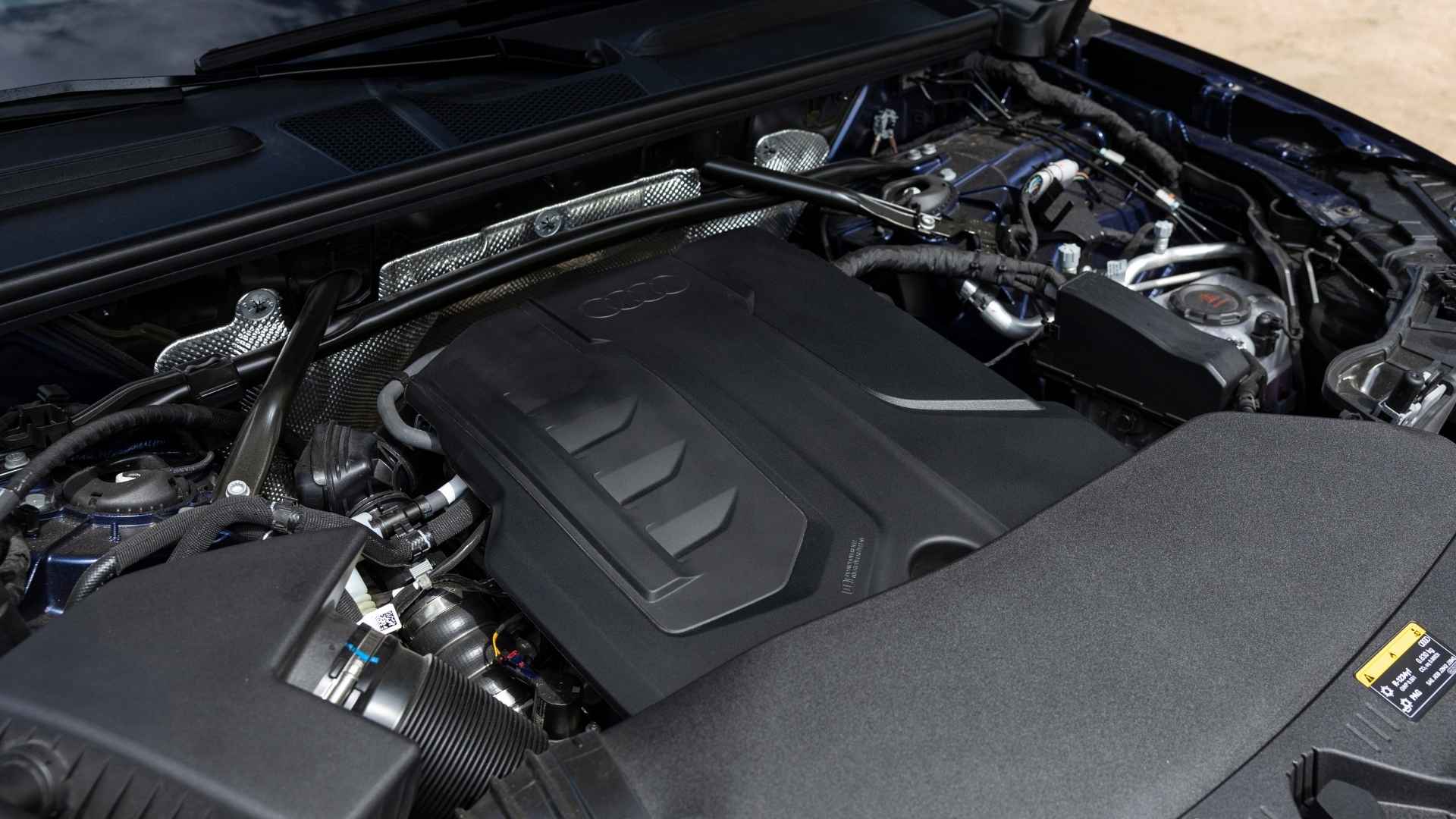
Understanding the basics makes the warning signs easier to spot. Coolant circulates through passages in the engine, picks up heat, and carries it to the radiator at the front of the vehicle. Air passing through the radiator cools the fluid, which then flows back to repeat the cycle.
The thermostat opens and closes to keep temperatures steady, while the water pump keeps everything moving. On many Audi models, quattro® all-wheel drive adds performance capability that places real demand on the engine, which makes dependable cooling even more important during spirited driving or steep Colorado grades.
The Most Common Signs of Cooling System Failure
So how do you know when something is wrong? Most cooling problems announce themselves through a handful of clear symptoms. Catching these early is the key to avoiding a roadside breakdown or a damaged engine.
The table below summarizes the warning signs and what they usually point to.
| Warning Sign | What It Often Means |
|---|---|
| Temperature gauge climbing high | Low coolant, failing thermostat, or weak water pump |
| Coolant puddle under the car | Leak in a hose, radiator, or water pump seal |
| Sweet smell near the engine | Escaping coolant |
| Steam from under the hood | Active overheating |
| Heater blowing cold air | Low coolant or airlock in the system |
| Warning light on the dash | System fault detected by the vehicle |
Overheating and a Rising Temperature Gauge
The clearest sign of trouble is a temperature gauge that climbs above its normal range. A rising temperature gauge or an overheating warning light is the most urgent sign of cooling system failure and calls for immediate attention. If this happens, pull over safely, turn off the engine, and let it cool before checking anything.
Driving an overheating Audi even a short distance can cause lasting harm. If you notice steam or a persistent high reading, it is far cheaper to stop and arrange service than to risk a cracked cylinder head or a blown head gasket.
Coolant Leaks and Low Coolant Levels
Another frequent symptom is a coolant leak. You might spot a bright green, orange, or pink puddle beneath the front of the car, or notice the coolant reservoir dropping below its marked lines. A coolant leak is one of the most common causes of Audi cooling system failure and should be inspected promptly.
Leaks often come from aging hoses, a worn water pump seal, or a small crack in the radiator or expansion tank. A sweet smell around the engine bay is another quiet clue, since coolant has a distinctly sugary odor. Catching a leak early usually means a simple hose or seal replacement rather than a major repair.
Simple Habits That Protect Your Cooling System
You do not need to be a mechanic to help your cooling system last. A few easy habits go a long way toward keeping temperatures in check and catching problems before they grow.
| Care Habit | Why It Helps |
|---|---|
| Check coolant level monthly | Catches slow leaks early |
| Watch the temperature gauge | Spots trouble before it worsens |
| Replace coolant at recommended intervals | Prevents corrosion and buildup |
| Inspect hoses and clamps | Finds cracks before they leak |
| Keep the radiator clear of debris | Maintains proper heat release |
When to Leave It to the Professionals
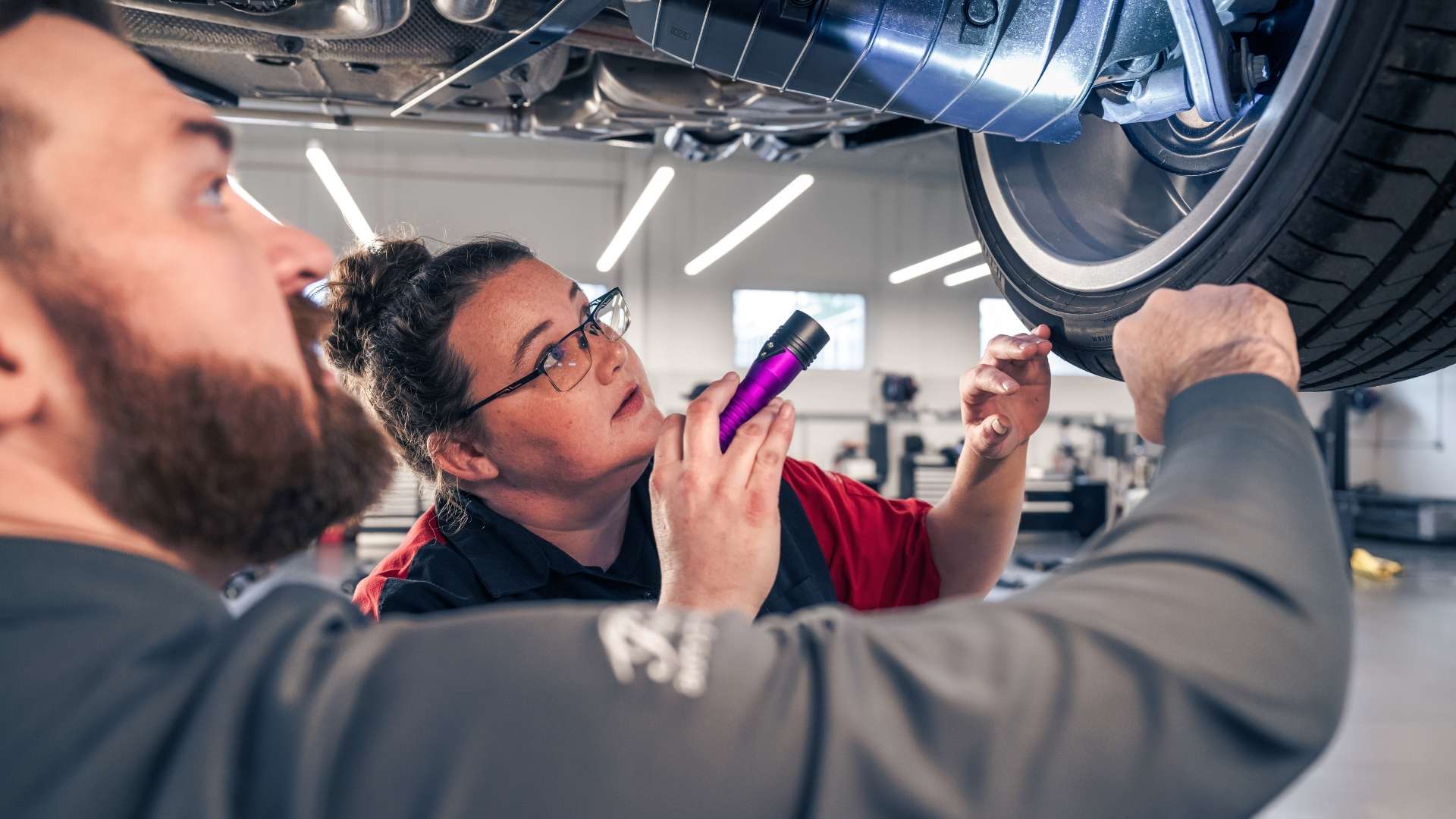
Some tasks are simple, but others call for trained hands and proper equipment. Pressure testing the system, replacing a water pump, flushing old coolant, or diagnosing an intermittent overheating issue are all best handled by certified technicians who know Audi systems inside and out.
Our team uses genuine Audi parts and factory diagnostic tools to pinpoint the exact cause rather than guessing. That accuracy saves you time and money, and it keeps your vehicle covered by the standards Audi expects.
When Should You Schedule Service?
A frequent question we hear is how soon to act after noticing a symptom. The honest answer is sooner rather than later. Cooling problems rarely fix themselves, and a minor leak today can become an overheated engine next week. If your Audi shows any sign of overheating, coolant loss, or a cooling warning light, book a service visit right away.
For drivers across Parker, Lone Tree, Castle Rock, Highlands Ranch, and the wider Denver metro area, our Parker and Littleton service centers make it easy to get expert help. Booking early means less waiting, faster diagnosis, and protection for one of the most valuable systems in your vehicle.
Making the Process Easy
We designed the service experience to fit busy schedules. You can book online at any hour, receive real-time text and video updates during your visit, and approve work right from your phone. Service financing is also available, so an unexpected repair does not have to strain your budget.
If you are unsure whether a symptom is serious, it never hurts to ask. A quick inspection can confirm whether you need a simple top-off or a deeper repair, and it gives you real peace of mind before your next drive through the Rockies.
Noticing any of these warning signs? Do not wait for a small issue to become a major repair. Schedule your Audi service appointment online or call our team at 800-850-9522, and let our certified technicians at 18455 Ponderosa Drive in Parker, CO keep your cooling system running strong.