Car Trade-In Value Guide Get More for Your Vehicle
10/29/2026
If you are thinking about replacing your current vehicle, one of the first questions is likely, "How much is my car worth?" Your car trade-in value can directly affect how much you need to finance, lease, or pay toward your next vehicle, making it an important part of your purchase plan.
No single value applies to every vehicle of the same year and model. Mileage, condition, equipment, local demand, vehicle history, and current market conditions can all influence an appraisal. Understanding these factors before visiting a dealership can help you set realistic expectations and evaluate a trade-in offer with greater confidence.
What Is a Car Trade-In Value?
Trade-in value is the amount a dealership offers for your current vehicle when you apply it toward another vehicle purchase or lease. The dealership evaluates the vehicle and estimates its worth based on its condition, specifications, history, and current market demand.
Trade-in value is different from retail value. A vehicle displayed for sale at a dealership has typically gone through inspection, preparation, reconditioning, marketing, and other steps before reaching the retail market. Those costs and business considerations help explain why a trade-in offer and a vehicle's advertised retail price are not usually the same.
| Type of Value | What It Generally Means |
|---|---|
| Trade-in value | Amount a dealer may offer toward another vehicle |
| Private-party value | Potential price in a direct owner-to-buyer transaction |
| Retail value | Price a prepared vehicle may be offered for at retail |
| Estimated online value | Preliminary estimate based on submitted information |
| Appraised value | Offer based on a more detailed vehicle evaluation |
What Factors Determine Your Car's Trade-In Value?
Several variables influence an appraisal, and some carry more weight than others. Model year, mileage, condition, vehicle history, equipment, and market demand are among the most important.
Market conditions can also change. A vehicle type in strong demand today may be worth more or less several months from now. That is why a recent appraisal is generally more useful than an estimate obtained far in advance.
Does Vehicle History Affect a Trade-In Offer?
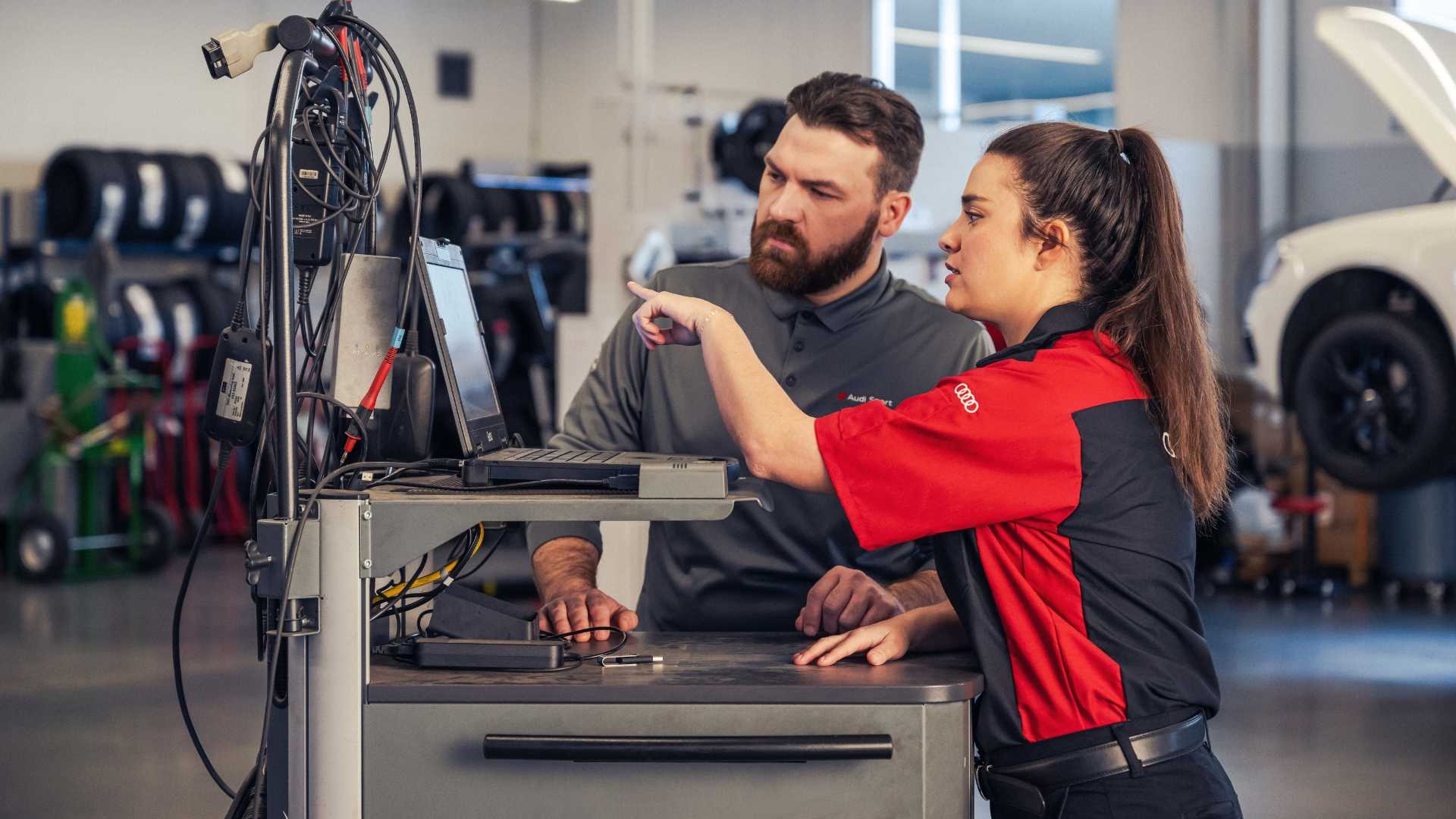
Vehicle history can influence value because it provides additional context about how a car has been owned and maintained. Accident records, title status, previous damage, maintenance history, and ownership information may all factor into an appraisal.
An accident does not automatically make a vehicle an unacceptable trade. The severity of the damage, quality of repairs, current condition, and resulting history record all matter. A properly repaired vehicle may still have meaningful trade-in value.
Do Service Records Increase Trade-In Value?
Maintenance records do not guarantee a specific increase in value, but they can help document how the vehicle was cared for. Records showing regular maintenance may provide useful context during the appraisal process.
For an Audi owner in Parker, for example, documentation of scheduled maintenance or repairs performed by qualified technicians can help establish the vehicle's service history. Keeping invoices and digital service records organized also makes them easier to provide when needed.
How Does a Dealership Appraise a Trade-In?
A dealership appraisal generally combines a physical vehicle inspection with market information. The appraiser confirms key details such as model year, trim, mileage, equipment, condition, and vehicle history before considering current market demand.
Dealerships may also consider what similar vehicles are selling for and whether the trade fits their used-vehicle inventory. The process is more detailed than entering a year, make, model, and mileage into an online calculator.
| Appraisal Factor | What May Be Evaluated |
|---|---|
| Mileage | Odometer reading relative to age |
| Exterior | Paint, dents, scratches, glass, wheels |
| Interior | Upholstery, controls, trim, odors |
| Mechanical condition | Warning lights and operating condition |
| Tires | Tread and general condition |
| Vehicle history | Accidents, title information, prior damage |
| Equipment | Trim, options, drivetrain, features |
| Market | Current demand and comparable vehicles |
Are Online Trade-In Calculators Accurate?
Online valuation tools help establish a general price range, but they are not necessarily a final appraisal. Their accuracy depends partly on the information you enter and the market data the valuation provider uses.
A physical inspection can identify details that an online form cannot. Tire wear, paint damage, interior condition, mechanical concerns, optional equipment, and previous repairs may change the final figure.
How Can I Prepare My Car for a Trade-In Appraisal?
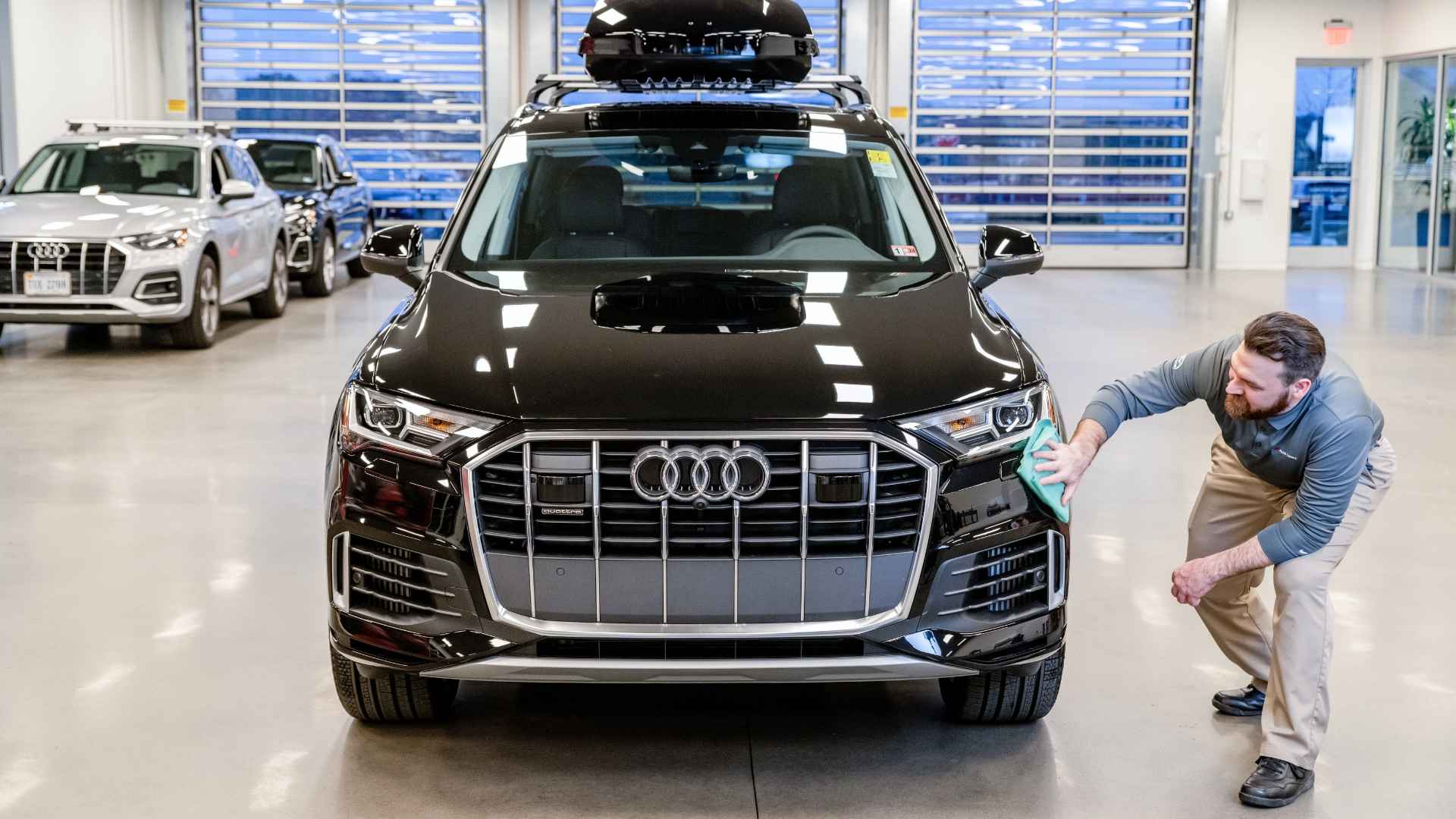
Start with simple preparation rather than expensive improvements. Remove personal belongings, clean the cabin, wash the exterior, and gather vehicle-related items such as extra keys, manuals, and available service records.
Can I Trade In a Car That I Still Owe Money On?
Yes. You can usually trade in a financed vehicle before you fully pay off the loan. The dealership determines the vehicle's appraised value and obtains the loan payoff amount to calculate the difference.
If the trade value exceeds the payoff amount, you have positive equity. If the payoff is higher than the vehicle's value, you have negative equity.
| Equity Situation | Example | Difference |
|---|---|---|
| Positive equity | $25,000 trade value, $20,000 payoff | $5,000 positive equity |
| Even equity | $20,000 trade value, $20,000 payoff | $0 |
| Negative equity | $17,000 trade value, $20,000 payoff | $3,000 negative equity |
Negative equity does not necessarily prevent a trade, but buyers should understand how it affects the next transaction. Depending on financing approval and deal structure, some or all of the remaining balance may be included in the next financing agreement, increasing the amount financed.
Is Trading In Better Than Selling Privately?
Neither option is universally better. A private sale may potentially produce a higher selling price, while trading a vehicle can simplify the transition from the current vehicle to the next one.
Private sales require the owner to handle advertising, inquiries, test drives, payment, and paperwork. A dealership handles much of that process when accepting a trade. The right approach depends on whether you prioritize potentially maximizing the selling price or reducing the time and effort involved.
Does Colorado Give a Sales Tax Benefit for Trade-Ins?
Colorado buyers should pay attention to how a trade-in affects the taxable portion of a qualifying vehicle transaction. Depending on the transaction and applicable tax rules, a trade-in allowance can affect the amount subject to sales tax.
Because tax treatment depends on the transaction and applicable state and local requirements, buyers should review the figures on their purchase documents rather than comparing only the trade offer. This gives a clearer picture of the overall financial effect.
How Should You Compare Trade-In Offers?
Start by making sure you are comparing equivalent numbers. A high trade allowance can look attractive, but the overall vehicle transaction matters more than one figure.
Consider the trade value, purchase price of the next vehicle, incentives, taxes, fees, loan payoff, and financing terms together. Keeping these figures clear can make it easier to understand the actual difference you will pay.
For drivers around Parker, Castle Rock, Lone Tree, and the Denver metro area, local market conditions may also affect demand for certain vehicles. Audi Parker can evaluate a current vehicle as part of the purchase or leasing process and explain how its appraised value applies to the transaction.
How Can You Get a Better Understanding of Your Trade-In Value?
Researching your vehicle before an appraisal gives you a useful starting point. Know the exact model year, trim, mileage, major equipment, loan payoff if applicable, and any significant history that could influence value.
Then use the professional appraisal to fill in what an online estimate cannot. The best way to understand a vehicle's current trade-in value is to combine market research with an appraisal based on its actual condition. Drivers considering a new or pre-owned Audi at Audi Parker can have their current vehicle evaluated and use that information when deciding what comes next.